The question gets asked constantly: will AI replace UX designers?
We've been waiting for someone to answer it with actual evidence instead of opinion. So here's ours. SeaLab has spent the last two years designing AI-native products, running AI bootcamp training with working designers, and integrating AI tooling into our own practice. What we've seen doesn't line up neatly with either camp: the optimists who say AI changes nothing, or the pessimists who say it replaces everything.
The real answer is more specific than that. And specific is more useful.
What We Did (So You Can Weigh the Evidence Yourself)
Before we get into what changed, here's the context. Over the last two years SeaLab:
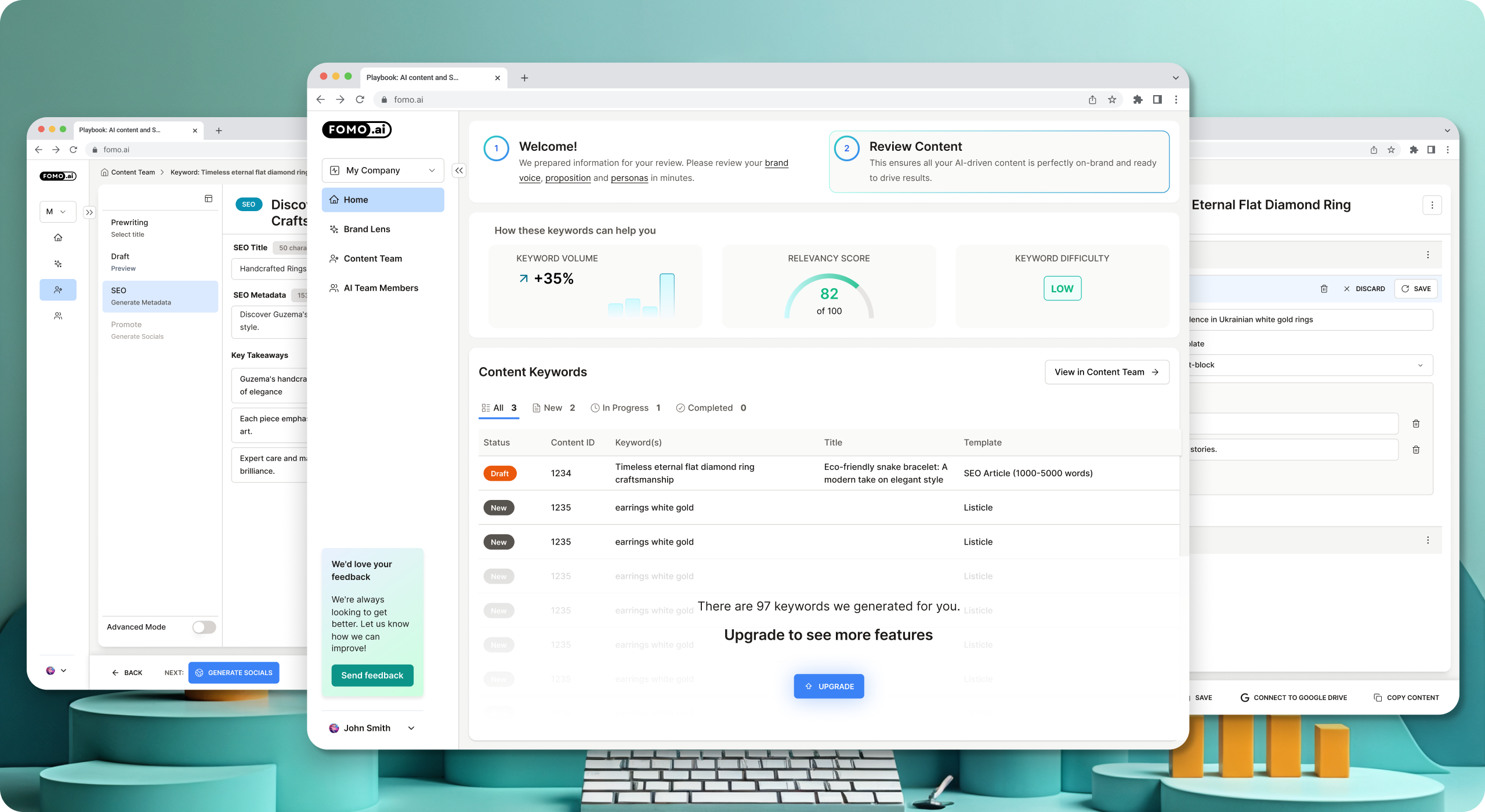
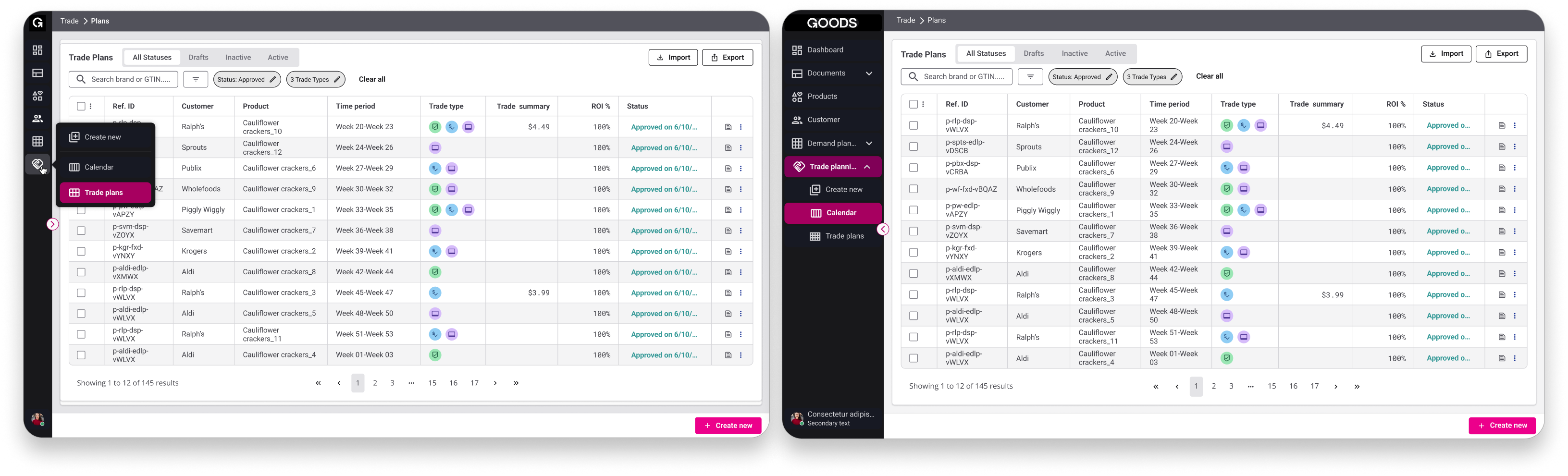
- Designed FOMO.ai's AI content platform, from onboarding through core product flows
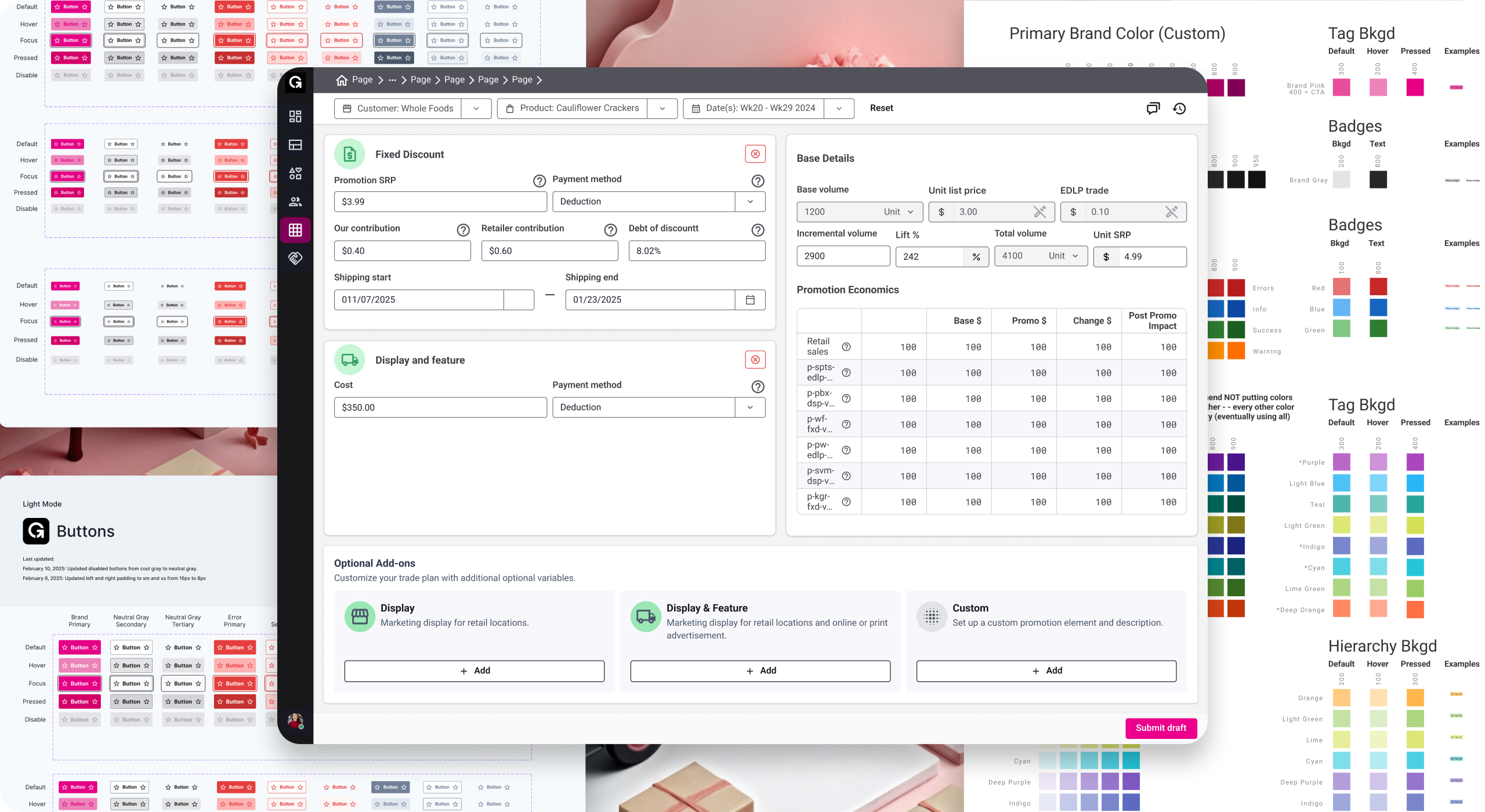
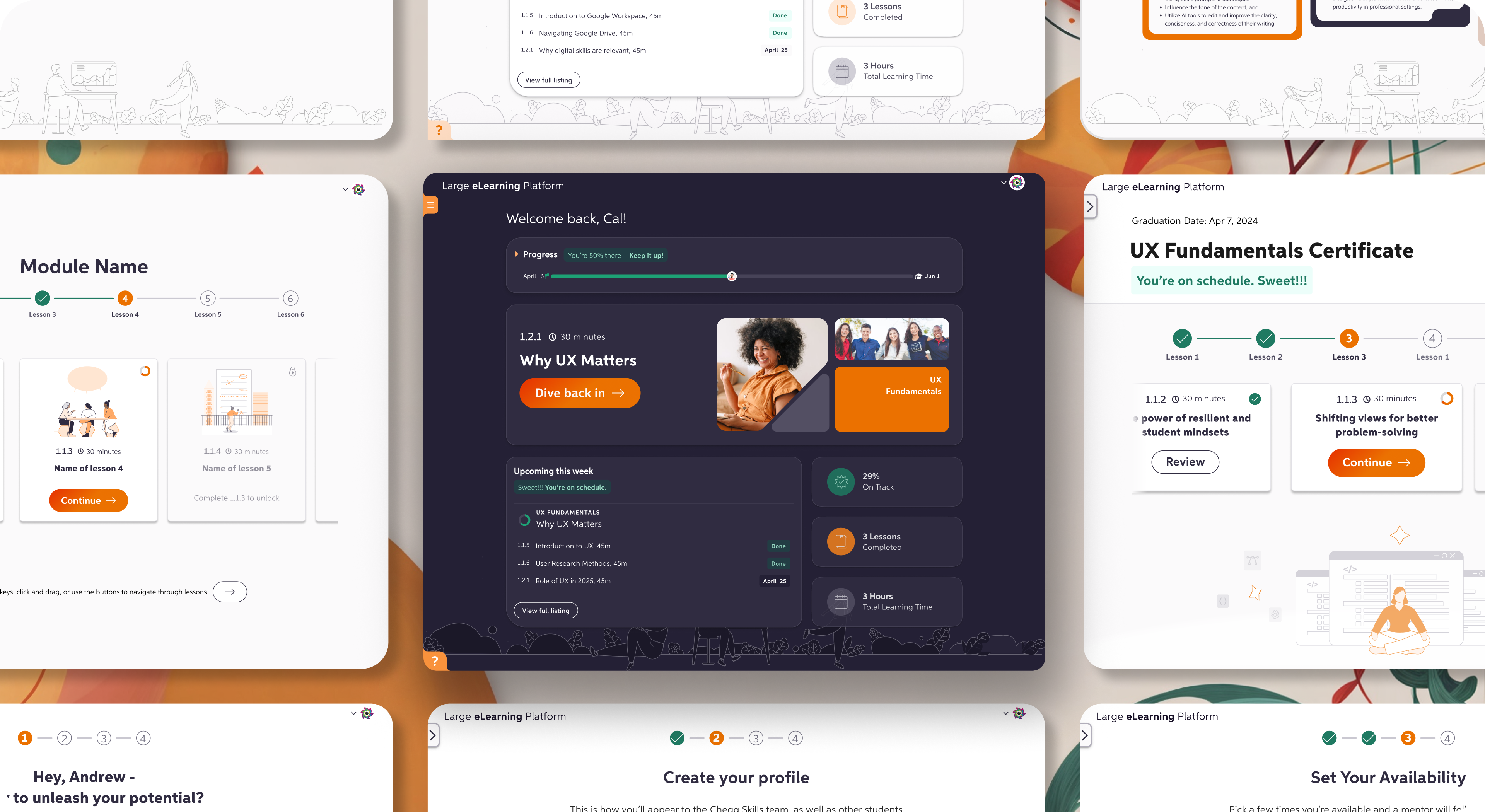
- Worked on ConnectAI for Goods and an AI integration for a large eLearning platform, each with distinct AI UX challenges
- Ran an internal AI bootcamp to rebuild our workflow from the ground up using current tooling
- Tracked which parts of our process got faster, which got harder, and which stayed exactly the same
This is not a theoretical take on AI UX design. It's a practice-level report from teams doing the work.
What Changed in Our Practice
Generative work got dramatically faster
The parts of our process that involve producing volume, wireframe variations, copy exploration, component ideas, first-pass flows, got faster. In some cases much faster. A designer who once spent two days exploring six layout directions can now explore twelve in an afternoon.
That's real. We don't want to undersell it.
But speed at the generation stage only compounds value if the judgment layer stays sharp. And that's where we saw the first unexpected pattern.
The judgment gap got more visible, not smaller
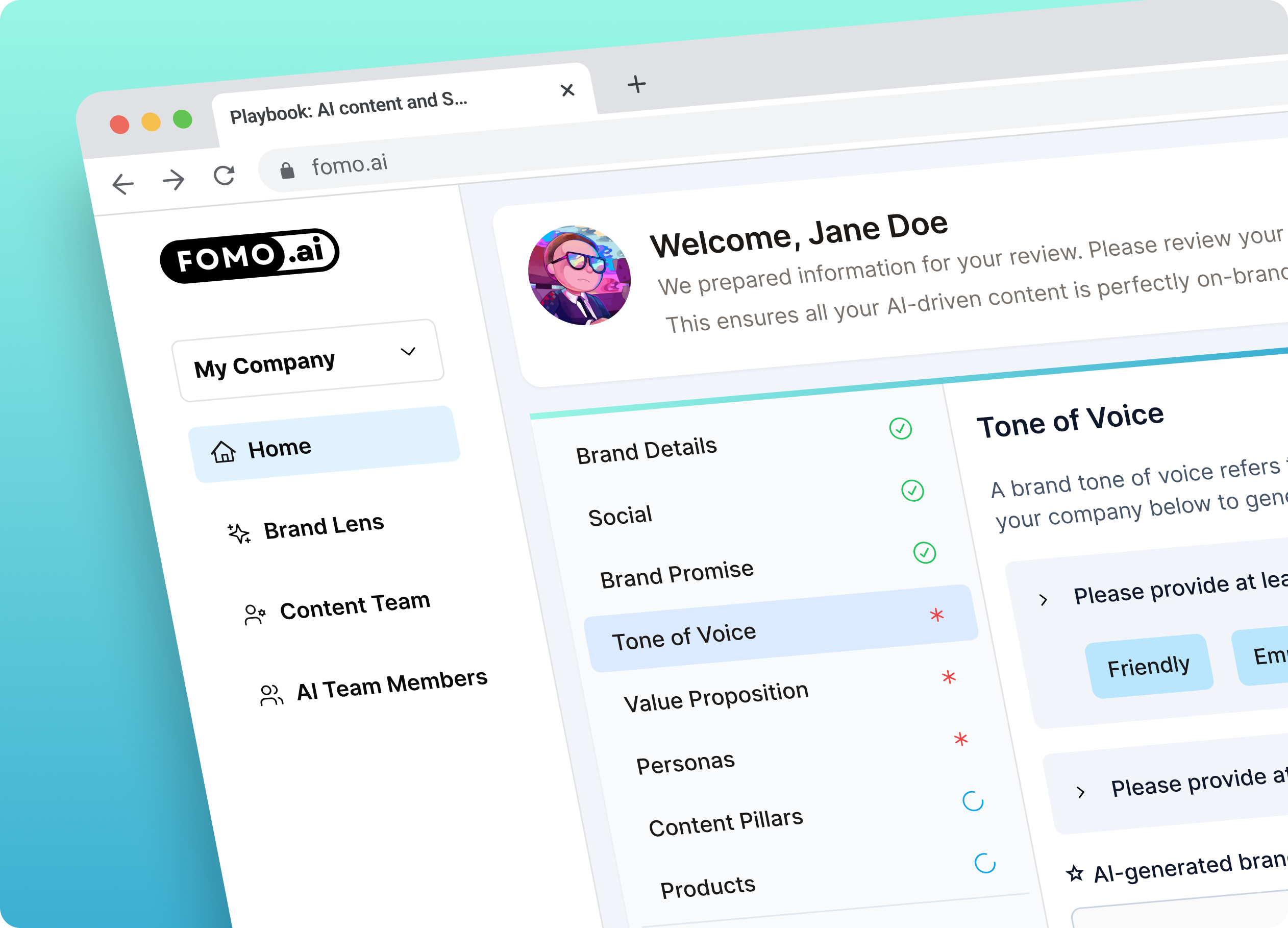
When you can produce more options faster, the ability to evaluate options becomes the bottleneck. We noticed this acutely on the FOMO.ai engagement. The product generates AI content at scale, which means the UX had to account for states, errors, and edge cases that don't exist in conventional software. No amount of AI-assisted generation could tell us which flows to prioritize or how a user would feel when AI output missed the mark. That required researchers asking real questions to real people.
Optional caption text here.
The AI product designer role, if such a thing is emerging, is less about using AI tools and more about knowing what questions those tools can't answer.
Research got harder to shortcut
We tried to use AI to accelerate synthesis on one eLearning engagement. Summarizing session notes, clustering themes, generating affinity maps. It was faster. It was also flatter. The nuance in how a specific learner described confusion, the exact phrase a user used that turned out to be a signal, those things got lost in the summary layer.
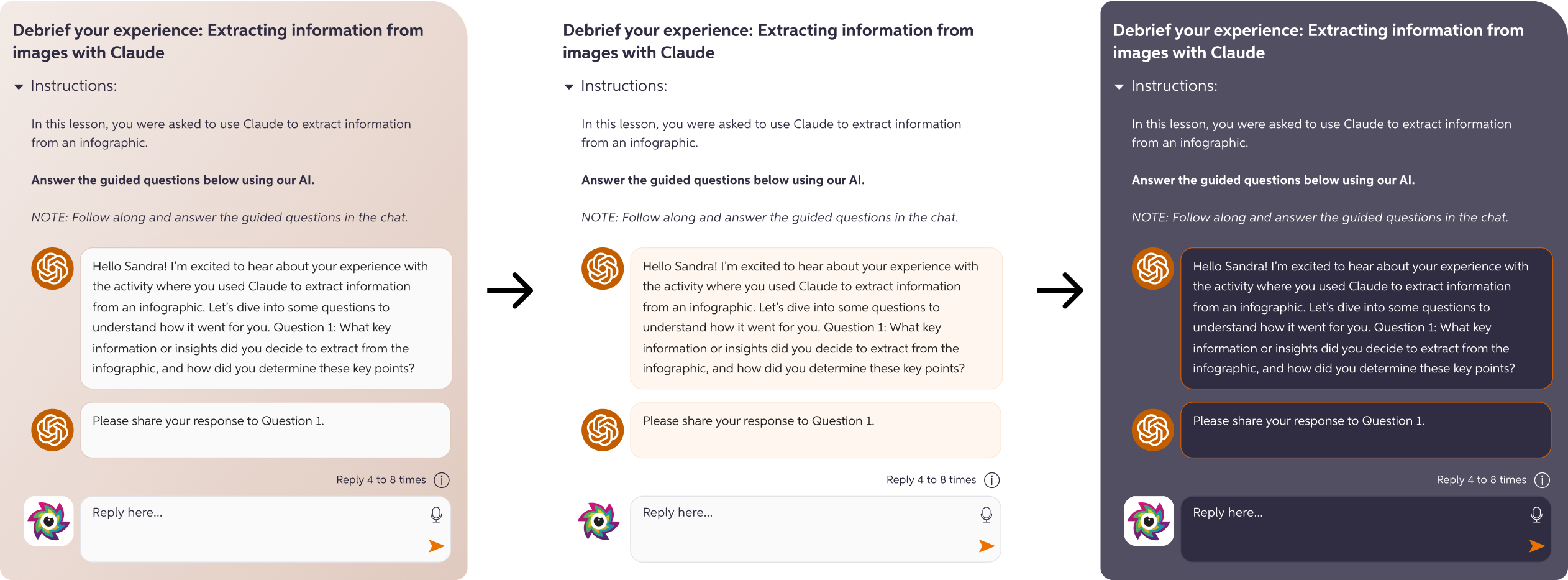
We still use AI for research assistance. But we learned that AI in UX design works as a first pass, not a final pass. Any team that treats AI synthesis as the output rather than the input risks missing the things that matter most.
Onboarding and complex flows still require deep human reasoning
The FOMO.ai onboarding was taking users 15 or more minutes to complete. The problem wasn't visual, it wasn't even structural in an obvious sense. It was that users couldn't tell where they were, why each step mattered, or what came next. Fixing it required us to understand the mental model a new user carries into the product, which required research, iteration, and judgment calls that no tool could make for us.
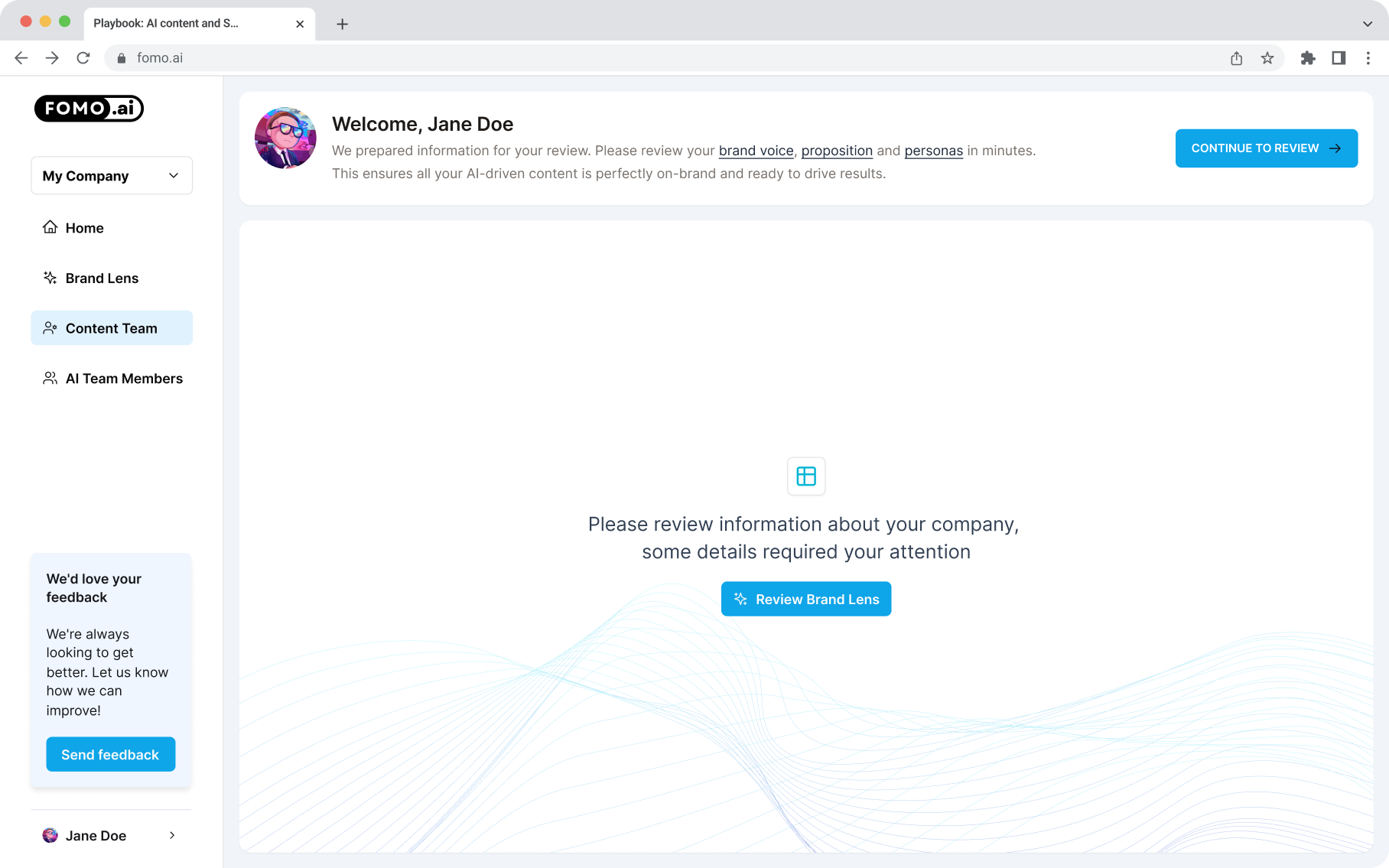
AI tooling didn't change the nature of that problem. It didn't change how we had to approach it. It gave us faster ways to produce the artifacts once we understood what to build.
What Didn't Change at All
The hardest part was always the thinking, not the making
UX work is frequently mistaken for production work. In reality, the value is in the diagnostic layer: figuring out why something isn't working and what it would take to fix it. That part has always been hard. AI hasn't made it easier. If anything, teams that use AI to skip the diagnostic step and jump straight to producing solutions can end up building the wrong things faster.
Stakeholder alignment is still a human problem
On every engagement, the moments that determined whether a project succeeded were moments of human judgment: deciding which problem was worth solving, convincing a CTO that the onboarding wasn't a priority they should defer, helping a founder see that investor-ready UX isn't about making things look polished. Those conversations require trust, credibility, and interpersonal skill. That's not a workflow a tool can replace.
The "right answer" still requires someone to be accountable for it
AI can generate options. It cannot own a decision. On every project, someone has to say: this is the approach, and here's why. That accountability is central to what clients are hiring for. It's also what separates AI UX design done well from AI UX design done fast.
The Question That Matters
Will AI replace UX designers? We don't think so, at least not the work that's hardest to do well. What it will replace, and in some places already has, are the parts of the job that were mostly about production volume: the wireframe-as-deliverable model, the research-synthesis-as-slide-deck model, the work that was largely about executing decisions someone else had already made.
What it won't replace is the person who can walk into a broken product, figure out what's wrong, make a call about what to fix first, and take responsibility for the outcome.
That's what we do. And it's gotten more valuable, not less, as tooling has proliferated.
What This Means If You're Hiring or Outsourcing UX Work
If you're evaluating a UX agency or AI product designer, the question to ask isn't "do you use AI in your process?" Everyone does at this point. The question is: what do you do that AI can't?
The teams worth hiring have a clear answer to that question. Ours is this: we diagnose what's broken, we work with real users to understand why, and we make defensible decisions about what to fix. We use AI to do that faster. We don't use it to skip the parts that require judgment.
When we design AI features themselves, that same judgment is built into our C.L.E.A.R. framework for AI UX: AI products should keep people in control, explain their reasoning, and stay accountable when they get things wrong. It's the same principle in product form, and we've written more about designing AI products people actually trust if you want the longer view.
The Bottom Line
We've run the experiment. Here's what we found.
AI makes the generative parts of UX work faster. It does not make the diagnostic parts easier. It raises the floor on production quality and lowers the barrier to entry, which puts real pressure on work that competes mainly on output. The designers and teams who lead with judgment, research, and strategic thinking have more leverage than ever, not less.
The discipline isn't going away. It's changing shape, with more of its value concentrating in judgment and less in pure production. So the more useful question isn't whether AI will replace UX designers. It's where the work that matters most is moving, and how to be ready for it.