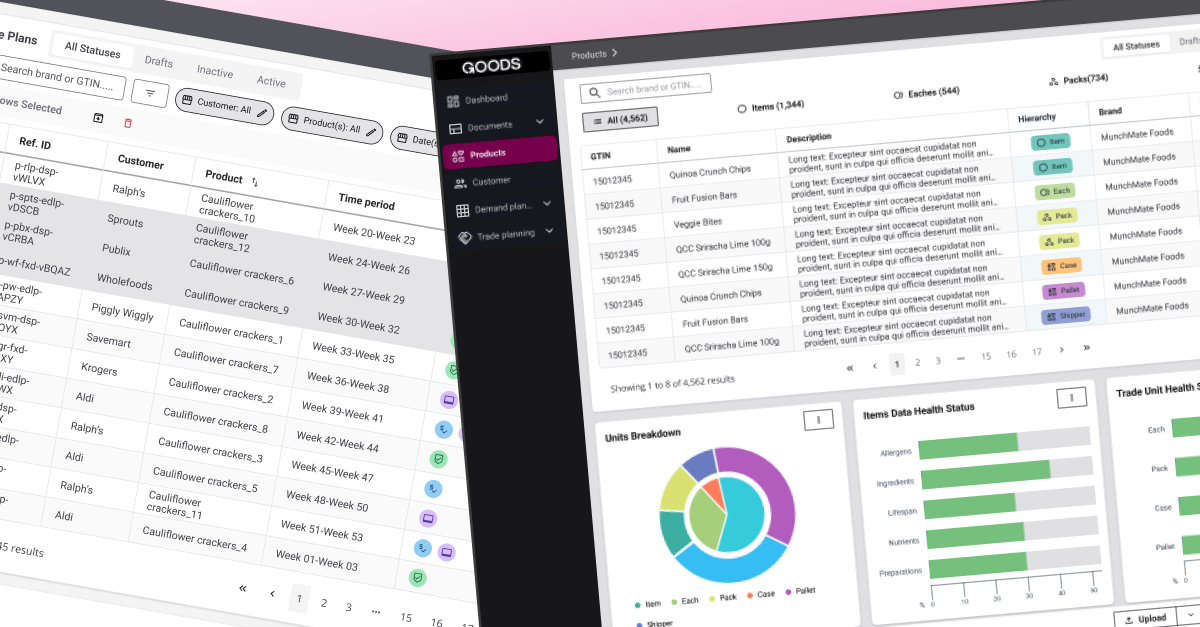
SeaLab Builds Scalable Design System for ConnectAI/Goods' AI-Powered CPG Platform
Introduction
When you're building AI-powered tools in the CPG space, speed isn't optional, it's the air you breathe. For our perspective on how to keep humans at the center when designing AI products, see our guide to designing for AI the human way. From January 2024 to March 2025, SeaLab partnered with ConnectAI/Goods, a startup blending consumer packaged goods with AI SaaS smarts. The mission? Build a design system from scratch, ship full user flows, and deliver development-ready designs, all while keeping up with the startup treadmill that never slows down.
Handpicked by ConnectAI's product lead Mark Moore (a past collaborator at iOffice/Eptura), SeaLab came in as a trusted partner to create low and high-fidelity designs, a custom component library, and clickable prototypes for a product that needed to launch fast, and grow smarter.
Problem #1:
ConnectAI needed rapid design output and a future-proof design system, but those don't usually go hand-in-hand.
Problem #2:
Designs had to cover real, complex user flows, without the luxury of user testing.
Problem #3:
Feedback was a moving target, and expectations shifted as the product evolved in real time.
Challenges
Working with a fast-scaling AI startup isn't for the faint of heart. We weren't just designing screens, we were keeping pace with a sprinting product team while laying the groundwork for something that could actually scale.
- Scaling a Design System Without Losing Velocity We had to build a design system fast enough to keep up with product output, but smart enough to stay relevant as the app evolved.
- Designing Without User Validation in a High-Stakes Space We were designing for real users without ever getting to talk to them, and what we shipped had to be production-ready.
- Navigating Client Feedback in a Constantly Shifting Landscape Feedback came in waves, changed mid-stream, and sometimes contradicted itself. Our job was to filter the noise and keep delivering quality.
Solutions
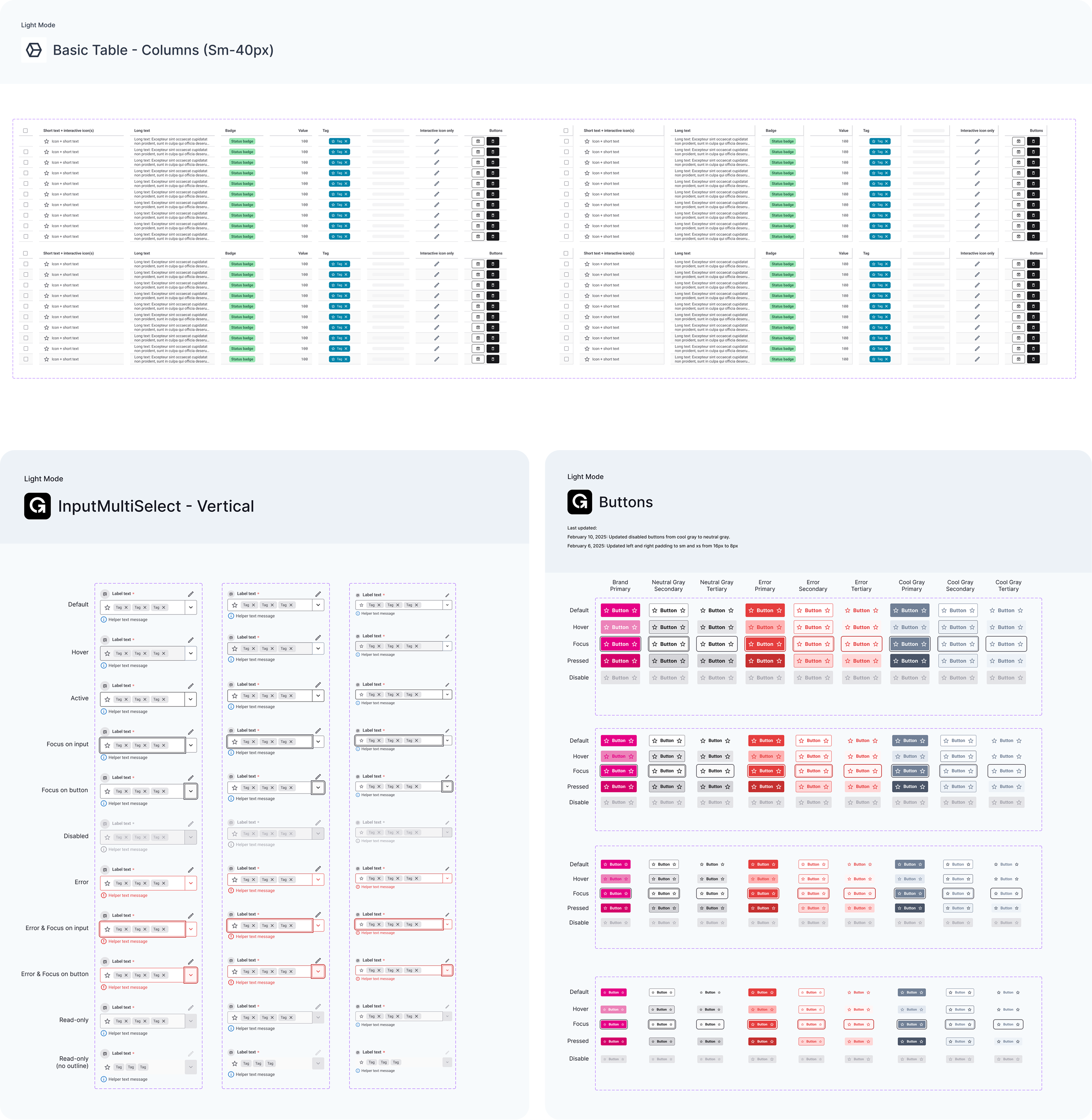
Grounded the System in Chakra UI and Made It Our Own
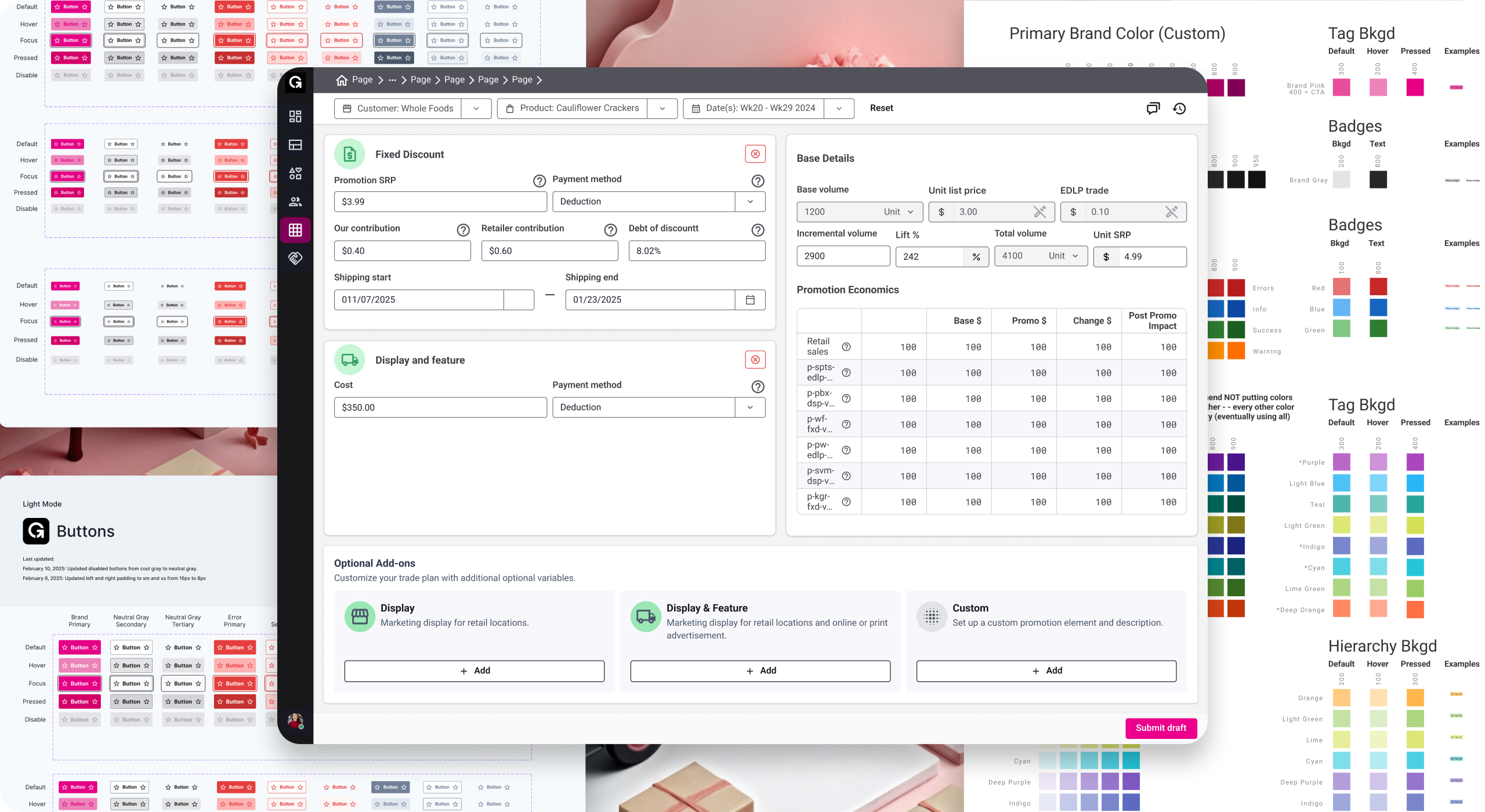
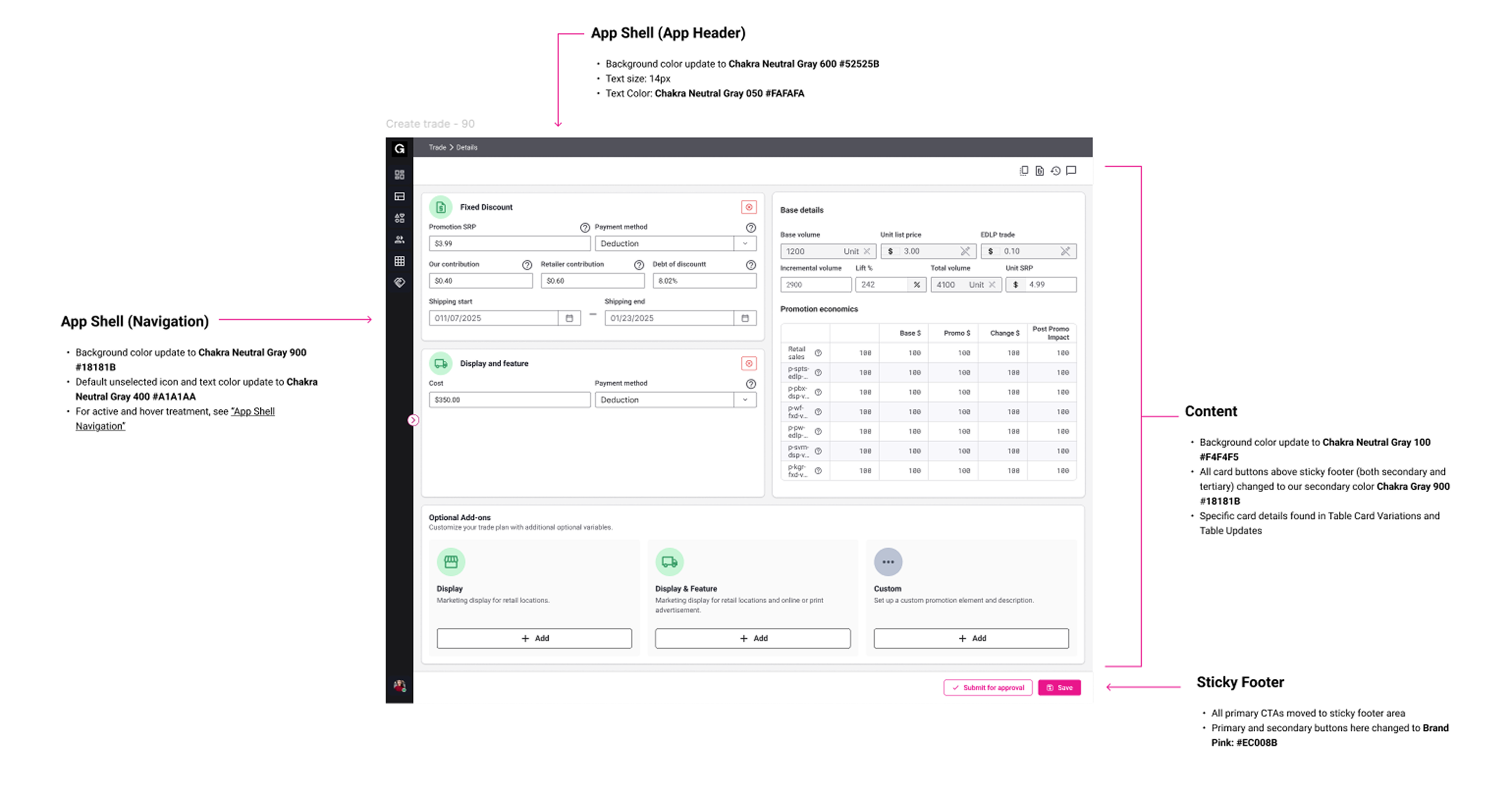
We didn't start from scratch, we started smart. We used Chakra UI's Figma kit as a foundation and built from there, adding custom states, color tokens, and extending components to match ConnectAI/Goods' brand. We set up a dedicated "sandbox" file where components lived before promotion, allowing us to build in parallel with product work without losing our minds.
Weekly design system syncs with the client kept priorities in check. And when documentation got deprioritized (because: startup), we tracked everything through our internal ticketing system to make sure components were still being maintained and improved.
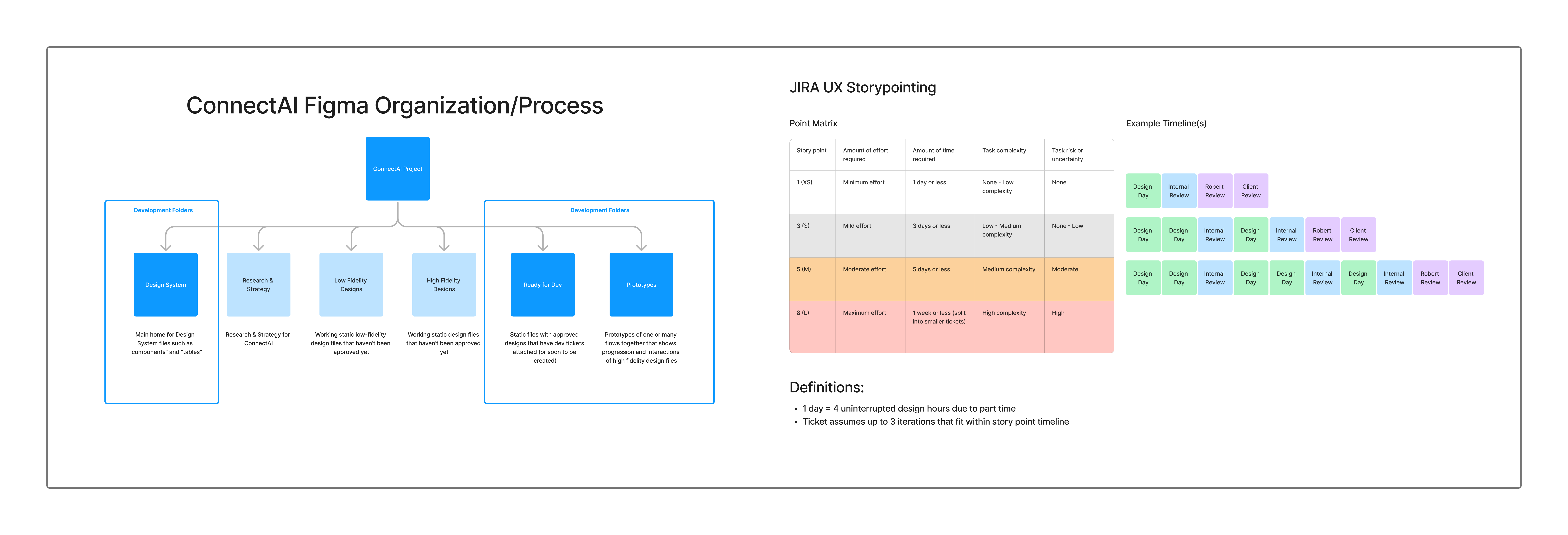
Delivered MVP Designs That Were Built to Evolve

We knew we wouldn't have perfect information, so we didn't chase perfection. We focused on getting real, usable designs in front of developers fast, reusing components, sticking to scalable patterns, and moving quickly through 14+ user flows for 5 different personas.
Once the product was live and the internal team took over, they had everything they needed to evolve it further.
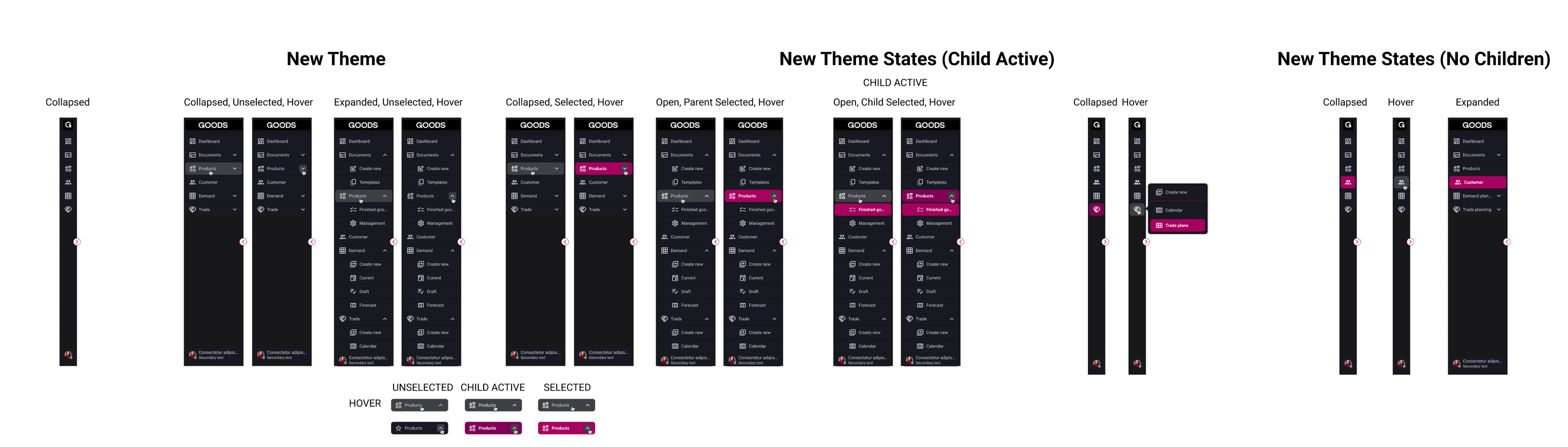
Built a Feedback Machine (That Actually Worked)
Working with a startup means feedback is part of the job. Sometimes it's helpful. Sometimes it's chaos. We set up processes to handle both.
Two designers joined every meeting and took notes directly in Figma. We created a shared ticketing board to align on scope and delivery. And we ran daily async standups in Slack to keep communication high and ambiguity low. Stakeholders knew where things stood, always.
Conclusion
By the time our work wrapped in March 2025, the ConnectAI/Goods product was live, styled with a newly refreshed brand, and supported by a design system flexible enough to support future designers and devs without a reset.
SeaLab delivered over 100 individual designs across more than 14 user flows, created for five unique personas. That's not even counting all the success, error, and loading states that gave the app a polished, professional finish. We also developed an accessible graph and data color palette using Material Design standards, because in AI-driven analytics, accessibility isn't optional.
The result? A fast-moving MVP launch that didn't compromise long-term design health. A design system that still holds up. And a product team that could keep moving without us holding their hand. For another story of AI-native product design where usability and trust were front and center, see our UX redesign of FOMO.AI's SEO marketing platform.
Need a design system from scratch or a fast-moving MVP design partner? Let's talk.