You've probably been told that design thinking should be embedded in the product cycle, present in planning meetings, shaping decisions before they become problems. But maybe you're not ready to take on the overhead of a full-time design hire: the salary, the benefits, the management load, the six-month ramp time before someone is productive and makes their impact.
Fractional design leadership fills that gap. And, increasingly, it's how the most design-forward product teams are staffing up.
The model, plainly explained
Fractional design leadership means bringing in an experienced design leader, or an embedded design team, for a defined scope of work, at a fraction of the cost and commitment of a full-time hire.
In practice, this looks different for every company, but the common thread is integration. A fractional design leader isn't handing off deliverables and disappearing. They're inside your product process: attending standups, partnering with PMs and engineers, making architectural design decisions, and building the systems and culture that outlast the engagement.

Think of it like this: you get the strategic lift of a VP of Design without the full-time VP of Design line item. The engagement is scoped, the output is real, and the relationship is built to transfer ownership back to your team over time.
How it differs from a traditional agency
Agency work has its place. Need a brand refresh, a campaign, a polished one-time deliverable? An agency is often the right call.
![bullet points for why interactive prototypes matter including '[they] are the cornershot of effective UI/UX design...' and 'user feedback can be collected early'](/images/blog/interactive-prototype-pros.png)
But agencies are structured around outputs. They staff up for a project, deliver the thing, and move on. There's an inherent distance in that model: the people doing the work don't sit in your Slack, they don't know the history of why that feature was built that way, and they're not accountable to what happens after launch.
Fractional design leadership is structured around outcomes. The work is ongoing. The team learns your product, your users, your constraints. Decisions are made in context, not from the outside looking in.
The other difference is pace. Agencies tend to operate on agency timelines. An embedded fractional team moves with your team, because they're on your team.
How it differs from a full-time hire
Hiring a senior design leader full-time is a significant commitment on both sides. You're signing up for a six-to-twelve month onboarding arc before someone is operating at full capacity. You're absorbing salary, equity, and management overhead. And if the fit isn't right, unwinding that hire is slow and expensive.
Fractional engagements are faster to start, faster to course-correct, and scoped to what you actually need right now. Many companies use a fractional engagement as a bridge, building toward the point where a full-time hire makes sense, while getting real design momentum in the meantime.
Others find that fractional is the right long-term model. Not every company needs a full design organization. Some need exactly what fractional provides: senior design thinking, available when you need it, at the scope your stage requires.
Who this model is built for
Fractional design leadership tends to fit a few specific situations especially well:
Product teams between design hires. Your last design lead left, you're three months into a search, and the product isn't slowing down. An embedded fractional team keeps the work moving and raises the bar on what you're shipping in the meantime.
Startups building toward product-market fit. You need experienced design judgment at the table before you've locked in what you're building. A fractional design leader brings that perspective without locking you into a full headcount commitment before you're ready.
Companies scaling a design function. You have a team but no design leader. A fractional design leader can set direction, establish systems, and mentor junior designers, building the foundation for a design org that can grow.
Engineering-led teams adding design maturity. When design hasn't been a priority and you're ready to change that, a fractional engagement is often the right way to introduce the function without creating organizational friction.
What this looks like at SeaLab
SeaLab's embedded UX team model is built around this principle: we work inside your product process, not alongside it.
Two engagements illustrate what this means in practice.
Kasasa
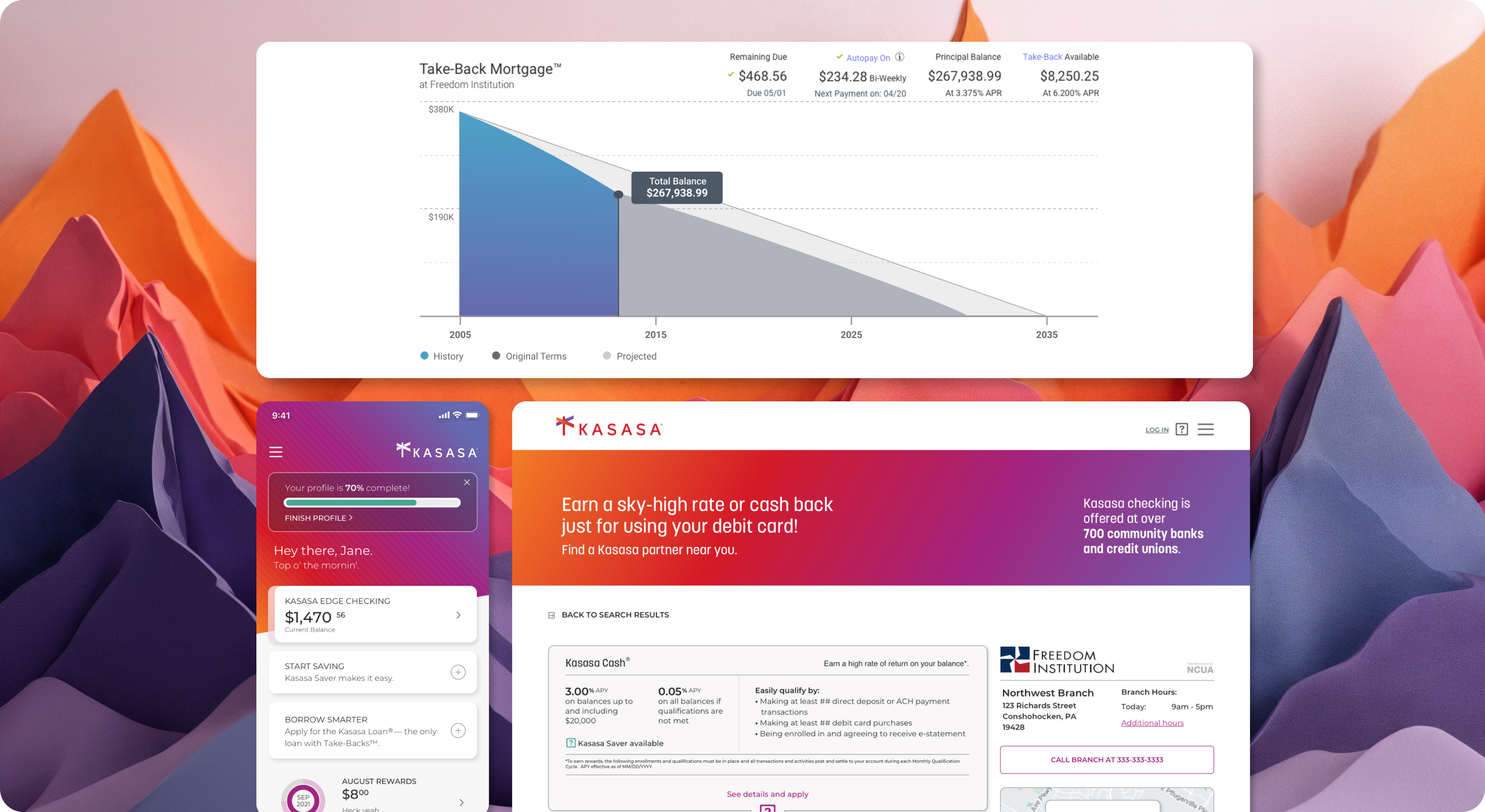
Kasasa needed design leadership embedded across a complex product suite: multiple products, multiple stakeholders, a product org that was growing faster than its design capacity. SeaLab's embedded team stepped in not as a vendor, but as a design function. We operated inside their product process, establishing UX patterns and systems that could scale, while shipping work that moved the product forward week to week.
The result wasn't just better screens. It was a more design-mature product organization.
A Large eLearning Platform
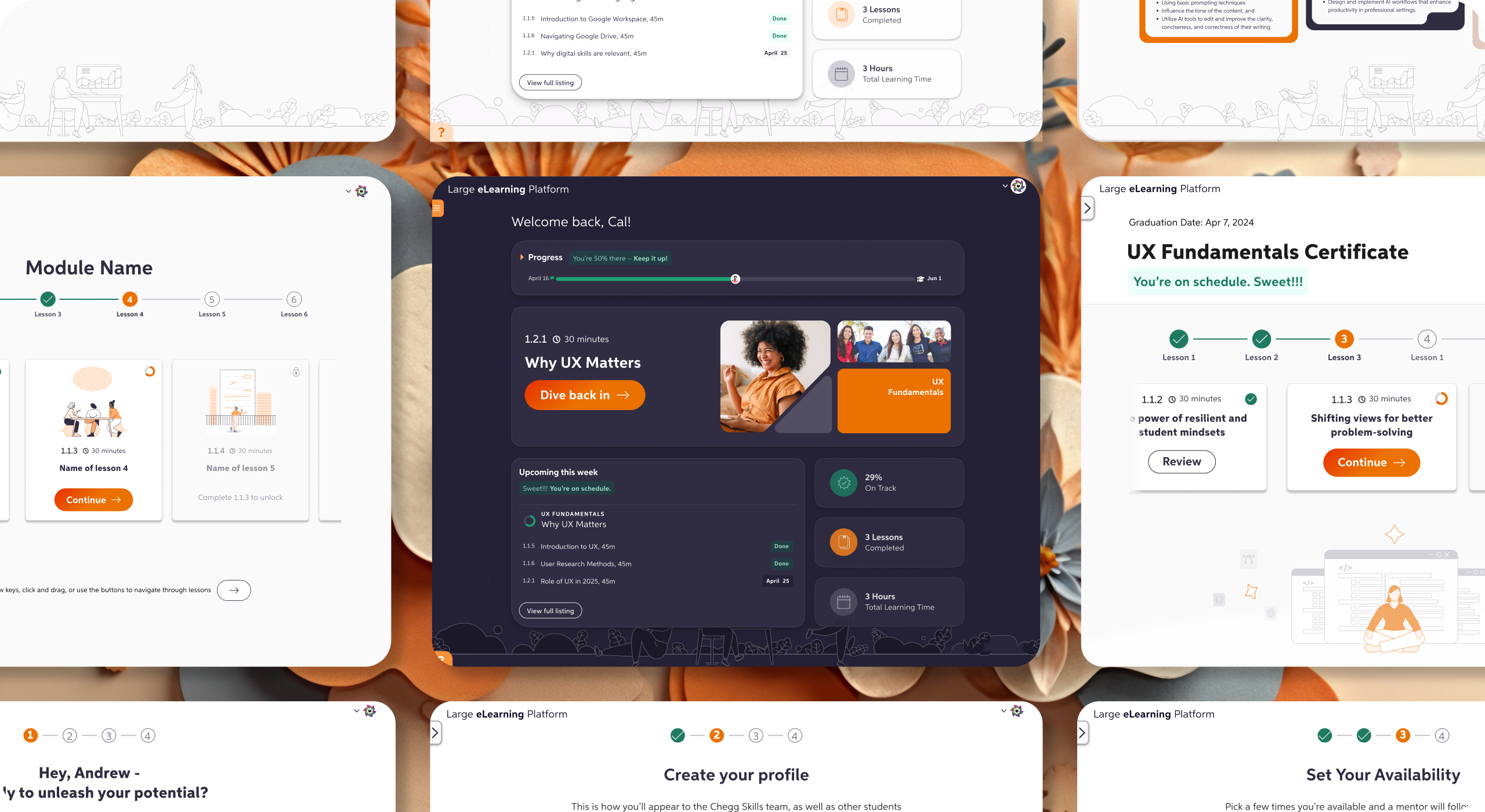
With our large eLearning platform partner, the need was speed and senior judgment. The product team was moving fast and needed design thinking that could keep up, not a waterfall handoff, but a partner in the room (or the Zoom) when decisions were being made.
SeaLab's team worked embedded with their PMs and engineers, contributing design leadership across initiatives that required both strategic vision and hands-on execution. The engagement was scoped to where the need was highest, and moved as the product priorities moved.
The thing most teams don't realize until later
The clearest signal that fractional design leadership is working isn't the quality of any individual deliverable. It's what happens to the design instincts of the rest of the team.
When senior design leadership is present in the room (asking the right questions, pushing back on the right assumptions, modeling what good looks like), it raises the ceiling for everyone around them. Engineers start asking UX questions earlier. PMs start thinking about user journeys before they write specs. The product gets better not just because the design is better, but because the whole team has absorbed a higher standard.
That's what embedded fractional talent does, done well. It doesn't just fill a seat. It changes how the team thinks.
Is fractional design leadership right for your team?
If you're carrying design debt, shipping faster than your design capacity can support, or trying to build a product culture that can scale, this is worth a conversation.

SeaLab's embedded UX team works with product companies at the moments when design leadership matters most. We scope engagements to what you need, move at the pace your product demands, and build toward a team that doesn't need us anymore.