The design director doesn't need convincing. The CFO does.
That gap, between the people who understand design system ROI and the people who control the budget to build one, is where most design system initiatives stall. Not because the value isn't real. Because "consistency" and "shared language" are not line items. A CFO weighing your request against five others needs to know: what does not having a system cost us? What does the return look like over 12, 24, 36 months? What happens to this problem at 2x product scale?
Why the Design System Pitch Usually Fails
The standard pitch leads with gain: a design system will give us speed, consistency, and a shared design-engineering vocabulary. All of that is true. None of it answers the questions in a budget holder's head.
The framing that works is subtler. Stop selling what you gain. Start describing what you're currently losing, and what the math looks like as the product grows. A design system isn't a design team's tool. It's infrastructure, the kind of investment that gets cheaper the earlier you make it and more expensive the longer you wait.
The reframe: An investment in design system infrastructure compounds. Every feature built on top of it gets less expensive to ship. Every custom-coded one-off that predates it makes the eventual cleanup more expensive.
Where Design System ROI Accumulates
The value doesn't live in the Figma file. It accumulates in a small number of places, and each one is measurable with the right design system metrics from day one.
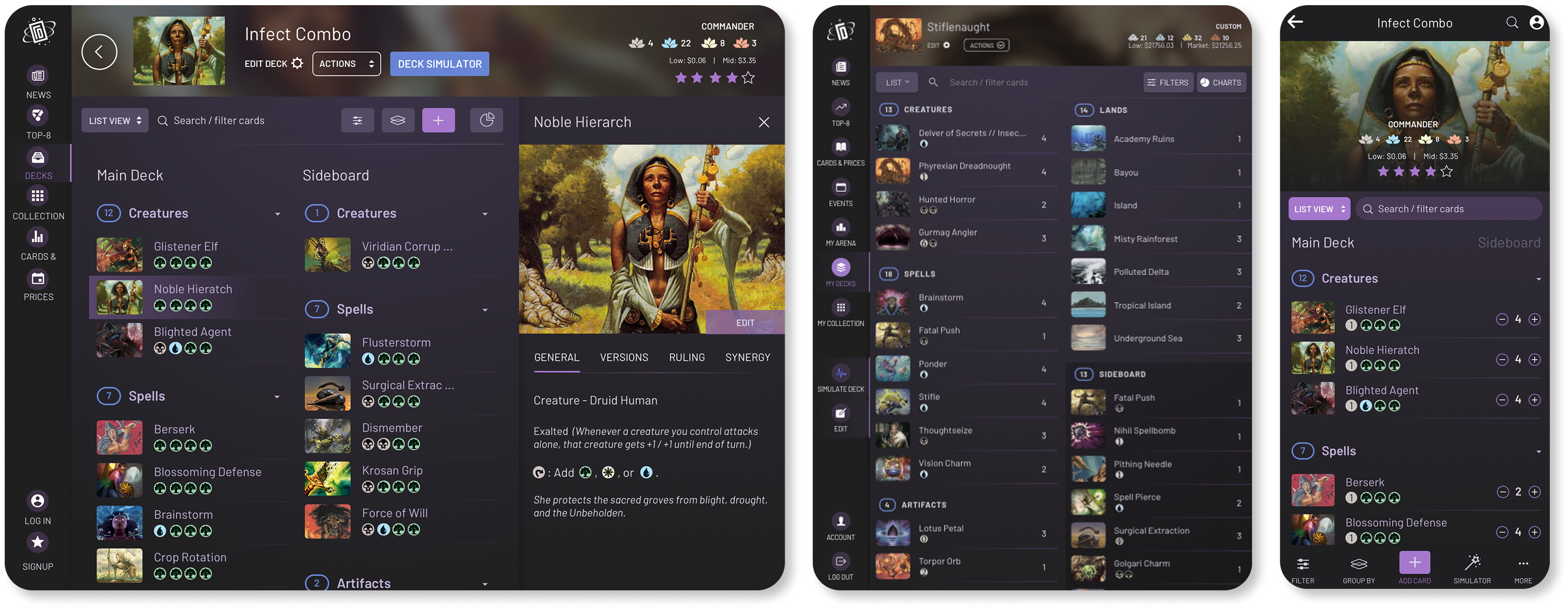
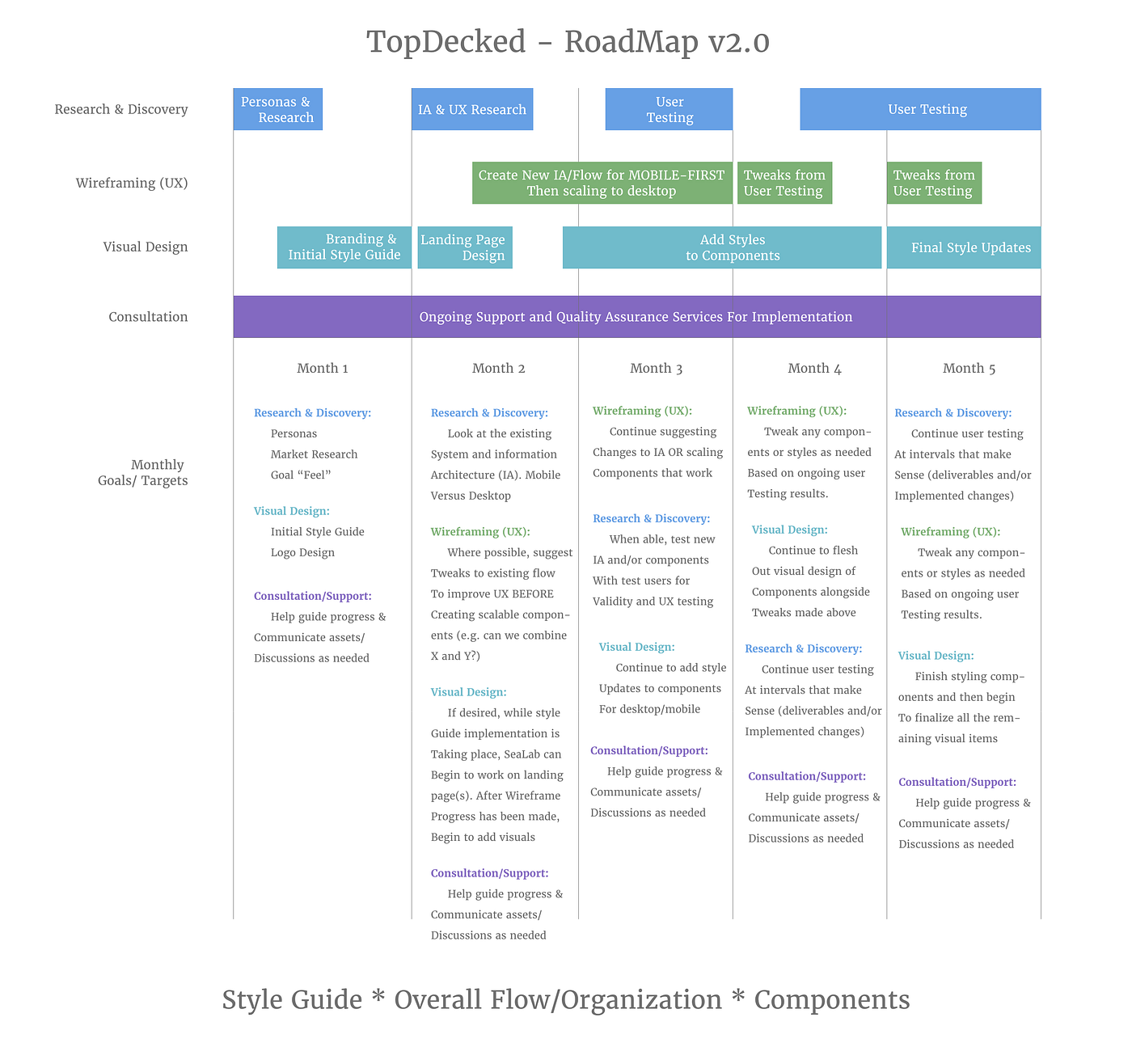
Design-to-dev handoff cycles. Every component in the system comes with documented behavior, specs, and established states. Engineers implement from a known source rather than interpreting a design file. In our experience, this compresses handoff conversations from multi-round back-and-forths to near zero on component-level questions. On our TopDecked mobile app redesign, system-first development kept a complex build on schedule largely because the implementation questions that typically surface mid-build were already answered in the documentation.
Component reuse rate. Build a button once with full documentation, token alignment, and accessibility baked in: that's hours of design and engineering time. Pull that button from the system the next time: that's minutes. The difference compounds across every feature cycle. As products grow, the ratio of system-component usage to custom builds becomes one of the clearest signals of both system health and design system ROI. High reuse means teams are building on what exists. Low reuse means the system isn't trusted, comprehensive, or visible enough, and the investment is leaking.
Defect reduction. UI inconsistency generates bugs. When multiple product teams each implement a form pattern their own way, QA finds multiple different edge cases instead of one. Systems reduce implementation variance, and that variance reduction shows up in defect data.
Scale capacity. This is the compounding argument, and the one most likely to land with a CPO or CFO. A mature design system means you can ship more product without proportional headcount growth. The system absorbs the complexity that would otherwise require more people.
For a framework on which design system metrics to track and how to structure feedback loops, our design system best practices guide covers the approach we use across engagements.
What the Research Shows, and Why It Points to Systems
McKinsey's "The Business Value of Design" (2018) tracked 300 publicly listed companies over five years. Companies in the top quartile of the McKinsey Design Index saw 32 percentage points higher revenue growth and 56 percentage points higher total returns to shareholders than their industry peers.
The mechanism is worth unpacking for a leadership audience. Design-driven outperformance doesn't come from having more talented designers. It comes from organizations where design quality stops depending on individual heroics (which designer is on the project, which engineer interpreted the spec) and starts being encoded into repeatable systems. A design system is one of the most direct operational expressions of that discipline. It's infrastructure that makes design quality consistent, scalable, and independent of who's in the room.
The timing implication follows from this: the cost of building a system doesn't stay constant. It grows with every custom component added outside it, because each one adds to the eventual cleanup. Teams that wait until "the product is more stable" typically discover that stability never arrives before the cleanup cost does.
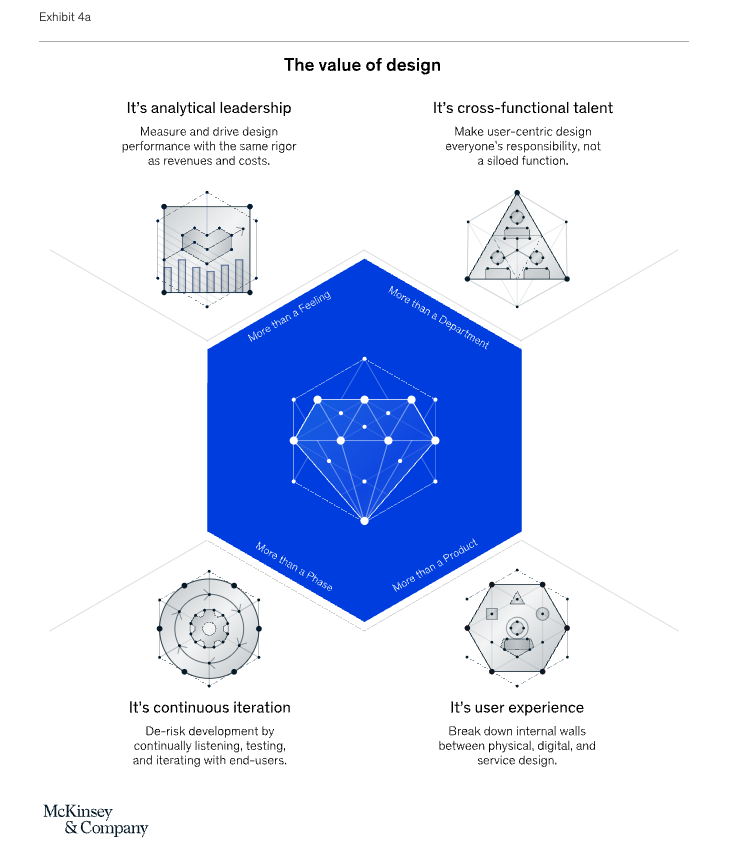
Source: McKinsey & Company, The Business Value of Design (2018)
What We've Seen Across Our Design System Case Studies
The enterprise design system we built with Eptura is the design system case study we return to most when this conversation comes up. The challenge wasn't component design. It was what happens when a system needs to unify more than ten enterprise products, across multiple business units with their own shipping cadences, serving 16.3 million users worldwide. Get the governance wrong and the system fragments the moment the initial build team moves on. Get it right and the system keeps compounding in value after the engagement ends, because teams across the organization have a clear, maintained path for contributing to and consuming from it. That governance model was nominated for the Zeroheight Design System Award for Best Governance. What it meant in practice: the system stayed alive.
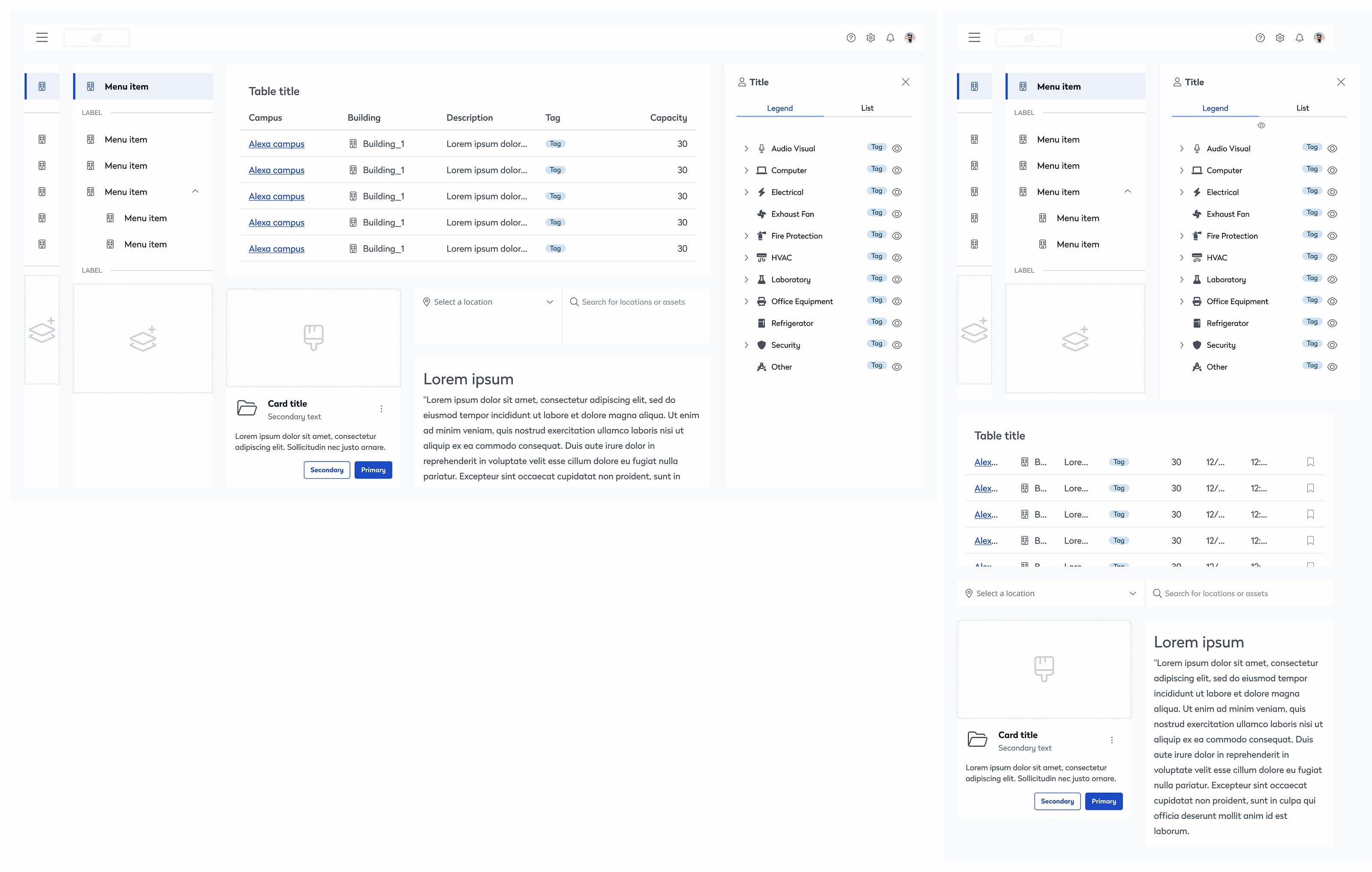
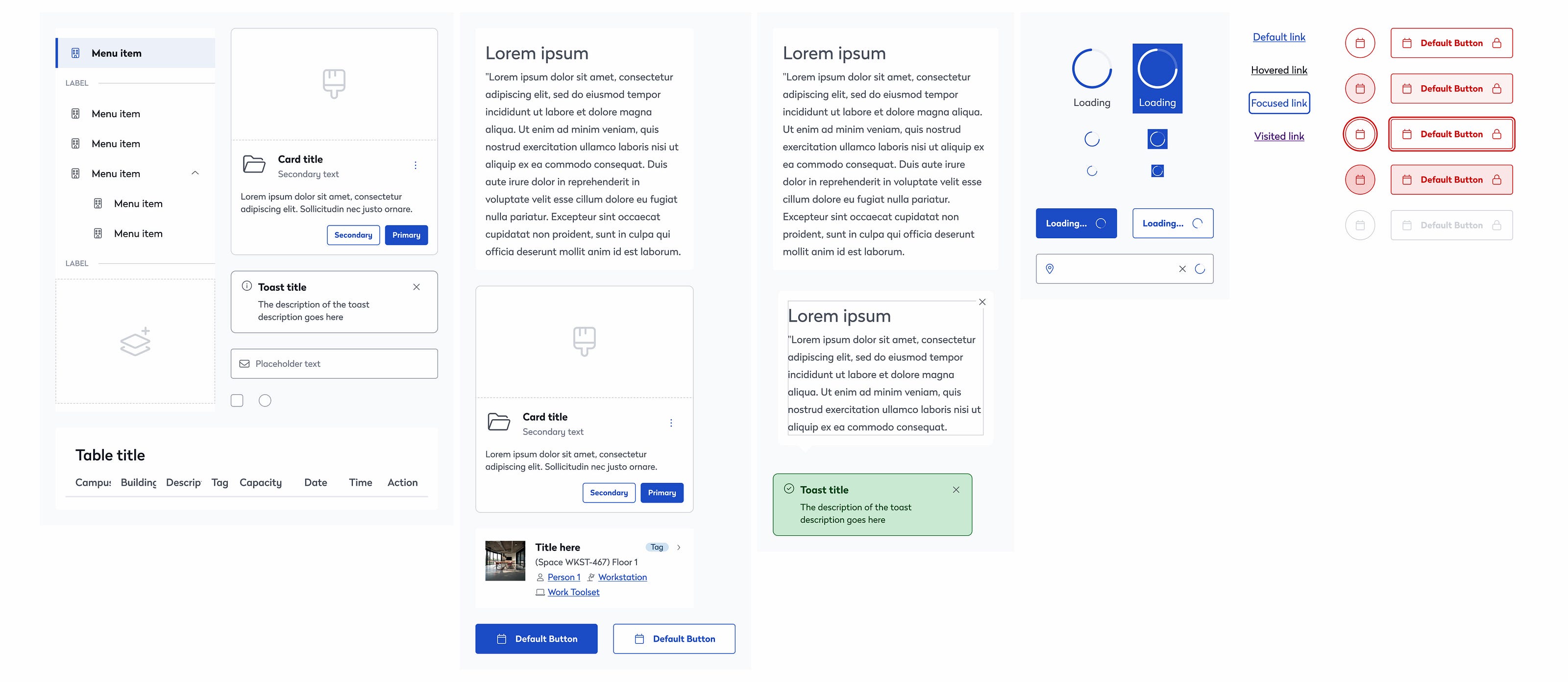
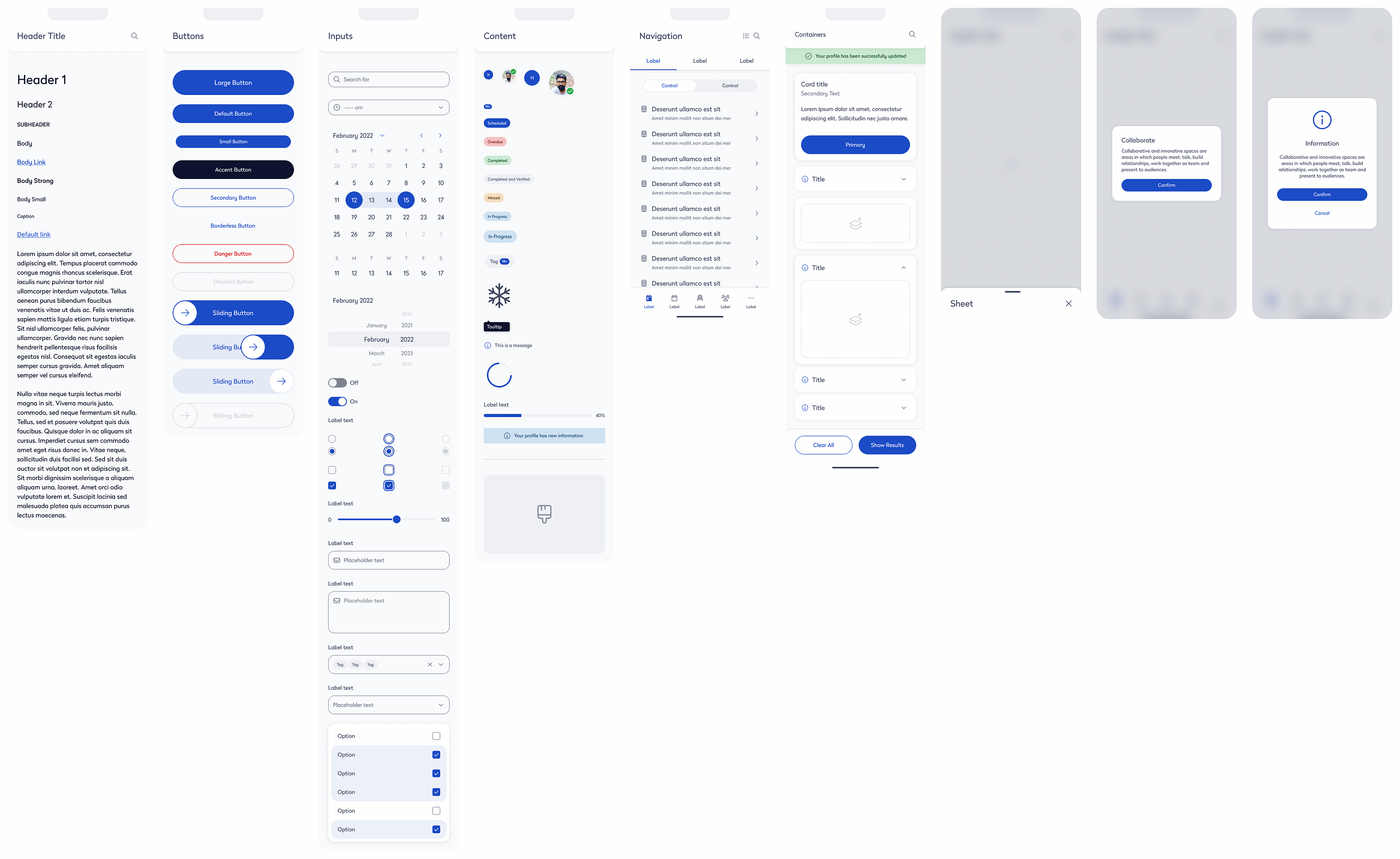
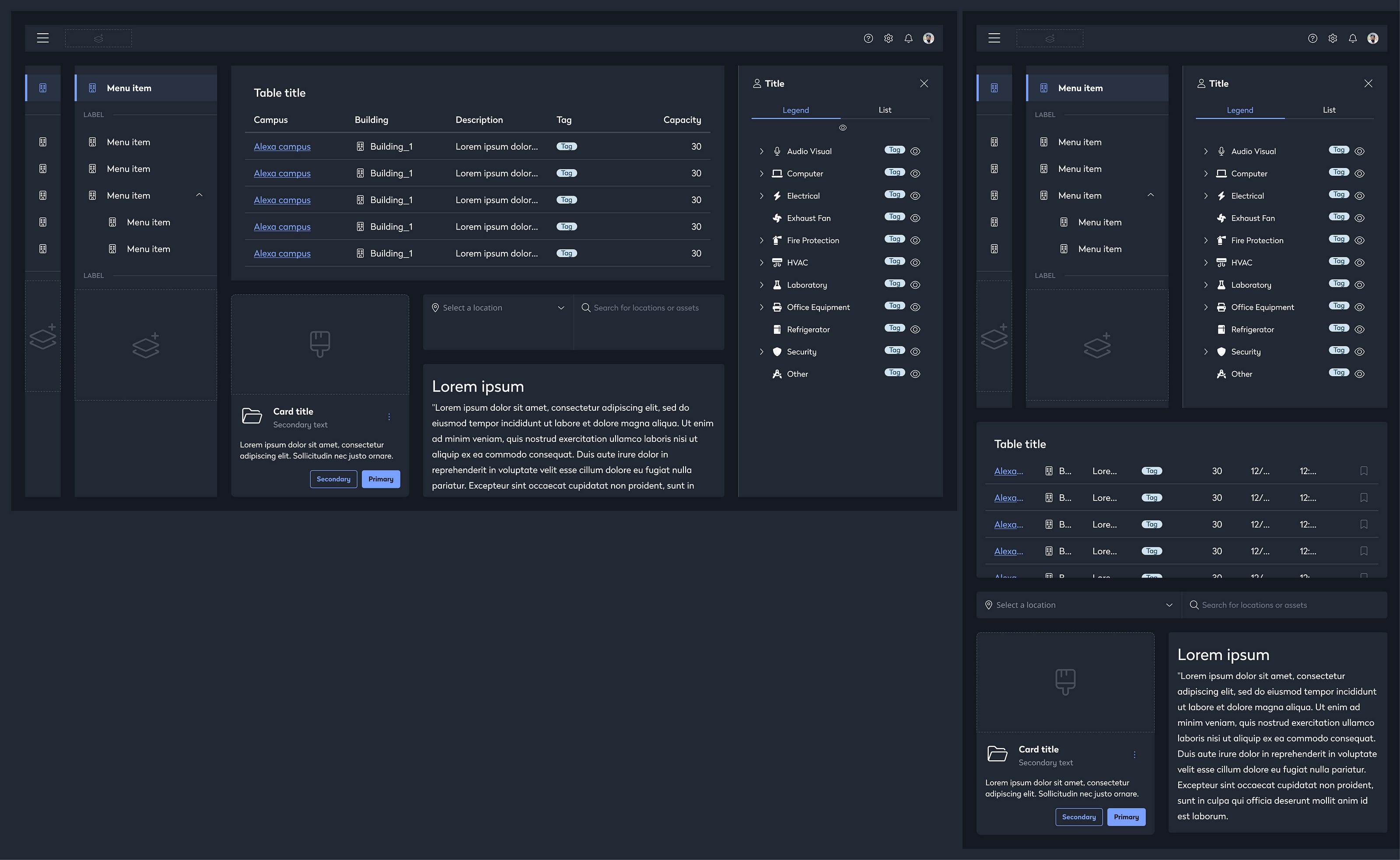
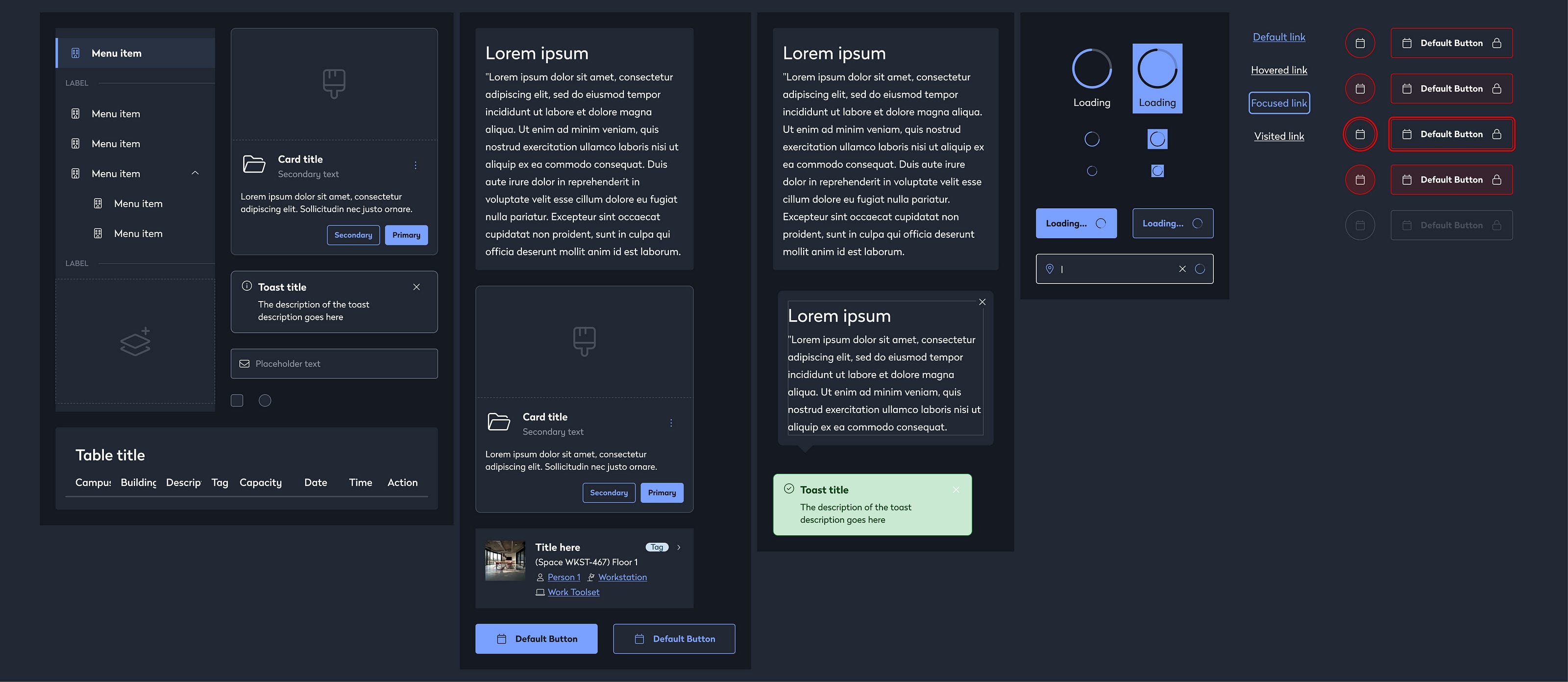
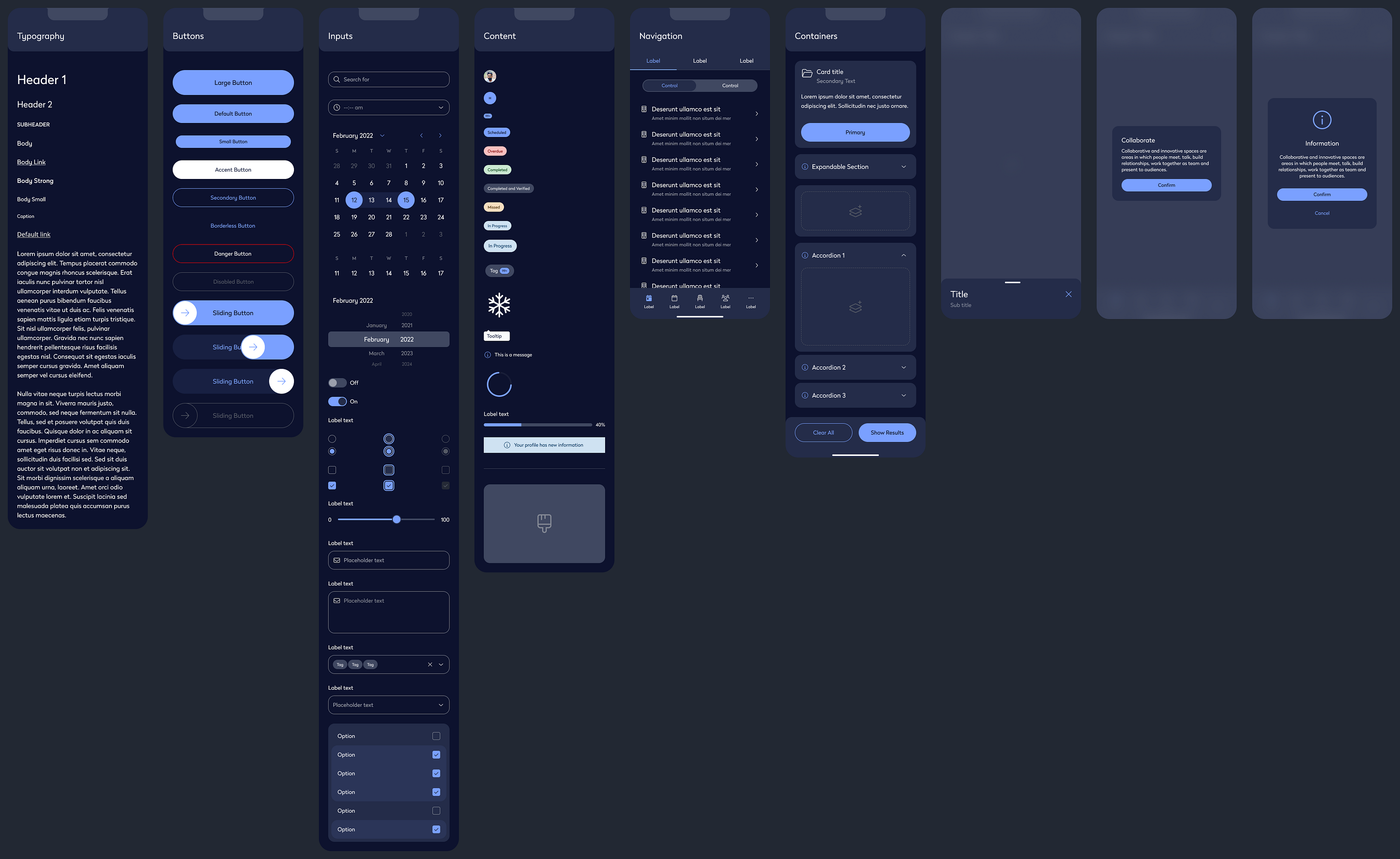
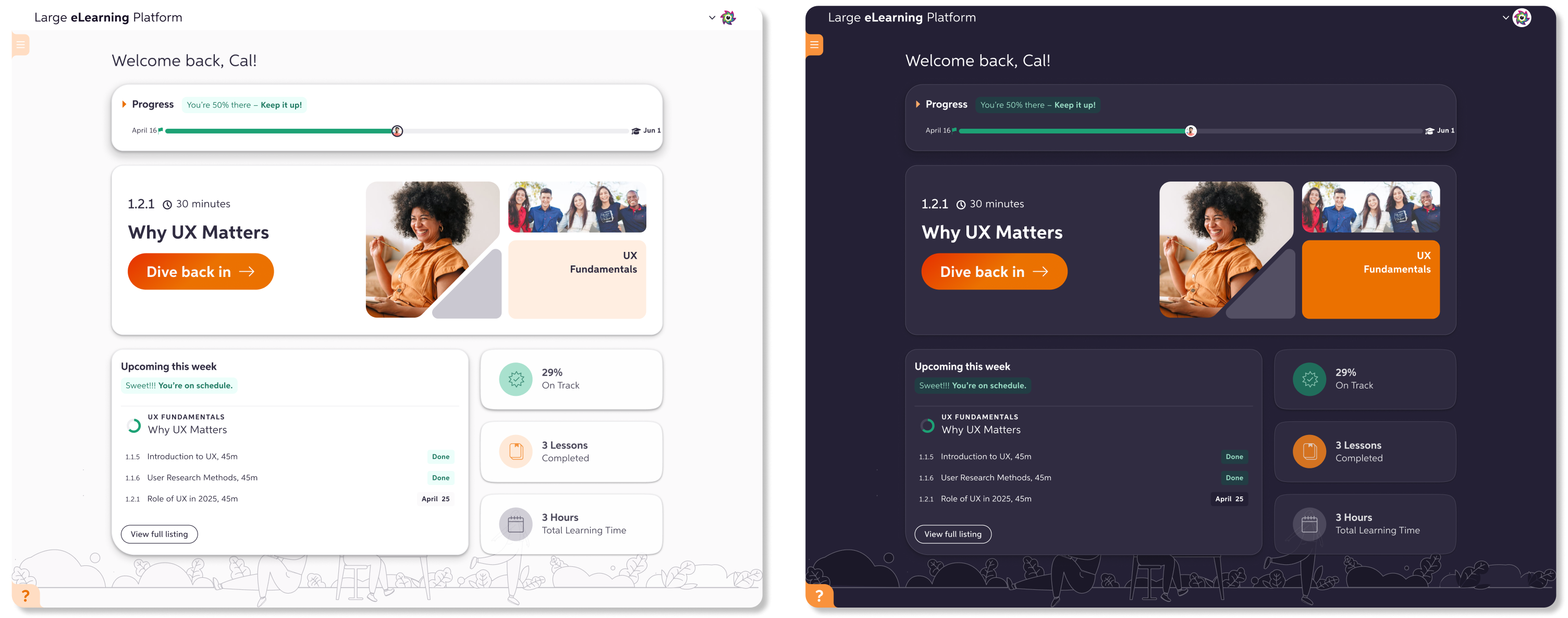
On the eLearning platform redesign, the 90-day foundation phase made the ROI visible early. Design and engineering ran in parallel from day one, both working against the same system source. Feature cycles that would have involved significant handoff iteration instead moved directly to implementation. The contribution model grew from real usage patterns, which meant the system earned adoption from the start rather than being introduced to a team that had already built around it.
The consistent finding across these builds: design system ROI compounds with adoption, not just with system quality. A 30% adoption rate, even with an excellent component library, is not generating meaningful return. The gap between 30% and 80% adoption is almost never the components. It's the operational layer (contribution model, documentation, governance) that determines whether teams use what got built.
Three Frames for the Leadership Conversation
The argument lands best as a sequence. Each frame sets up the next.
Start with cost, not gain. The most credible opener isn't "here's what we'll get." It's "here's what we're paying for right now without knowing it." Every hour a designer or engineer spends building a component that already exists elsewhere in the product is waste. Every inconsistent pattern is a future QA ticket and a potential user error. That cost is real; it's distributed across dozens of tasks that never get labeled as redundancy, which is exactly why it doesn't appear in a budget conversation until someone goes looking. Once you surface it, the cost of the system looks different.
Then establish the return arc. The initial investment is real. The break-even comes faster than most stakeholders expect, typically within the first few feature cycles that draw from a complete token-and-component foundation, as teams stop rebuilding decisions the system has already made. And unlike most capital investments, the return doesn't plateau. It grows each time the system absorbs complexity that would otherwise have required a custom build, a new engineer, or another coordination loop.
Close with the scale argument. If leadership's next question is "can we ship more without scaling headcount proportionally," a design system is one of the most direct answers available. It's also the frame that converts this from a design team request into a product infrastructure decision, which is the conversation you want to be in.
Where to Start
The right scope, sequencing, and metrics commitment for a design system investment depend on where your product and team are right now. There's no universal answer, but there are patterns we've seen hold across very different organizations, product maturities, and team sizes. The most consistent one: the return depends as much on who owns the system after launch as on what gets built. If ownership is where you expect pushback, our guide to design system governance models covers who owns what, and why it matters for ROI.